

Lobuche Peak Climbing Overview
Nepal is celebrated for its awe-inspiring Himalayas, especially in the Everest Region, a haven for adventurers craving the thrill of untamed wilderness. This area has witnessed countless mountaineering feats, with climbers eager to conquer its towering summits. However, summiting these formidable peaks is not achievable for everyone. For those seeking an alternative, peak climbing offers a fantastic opportunity to realize mountaineering aspirations. The Nepal Mountaineering Association (NMA) classifies peaks below 7,000 meters as trekking peaks, though some under this altitude still demand expedition permits due to their technical complexity. Scaling smaller peaks serves as excellent preparation for more challenging ascents. A prime starting point for budding mountaineers is the climb of Lobuche Peak.
Which peak should you choose? Lobuche East or Lobuche West?
Mount Lobuche, situated near the Khumbu Glacier and the village of Lobuche, boasts two distinct summits: Lobuche East and Lobuche West. Lobuche East rises to 6,119 meters above sea level, while Lobuche West stands slightly taller at 6,145 meters. Climbing is generally undertaken on the East Peak, but the West Peak requires an expedition permit due to its greater technical demands and difficulty.
Attempting to climb the West Peak after summiting the East Peak is impractical. The deep notch ridge, steep descents, and considerable distance between the two summits pose significant challenges. Moreover, permits do not allow for this type of traverse.
From Lobuche High Camp to the Summit
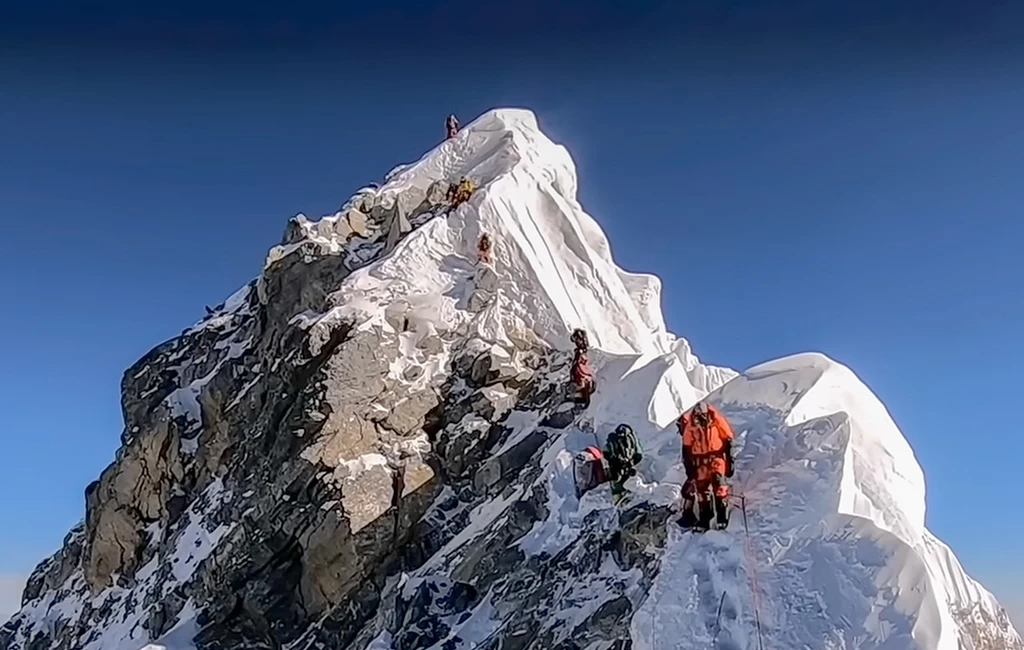
After a demanding ascent, climbers can reach the summit of Lobuche Peak. The route from high camp to the summit grows progressively steeper as you near the top. You’ll navigate a snow-covered ridge, veering northwest, where you’ll encounter snow notches. A steep ascent from the notch will guide you to the summit.
Difficulty of Lobuche Peak Climbing
Climbing a mountain is always a formidable endeavor. It presents substantial challenges. While some peaks in Nepal are deemed relatively straightforward, Lobuche is recognized for its moderate difficulty and technical requirements. Climbers must tackle steep inclines and engage in demanding ascents. The challenges of mountaineering go beyond physical stamina, encompassing factors like climbing gear, Sherpa support, weather conditions, and mental resilience.
Everest Base Camp Trek via Lobuche Peak Climbing
The Everest Region of Nepal features three renowned peaks for climbing: Island Peak, Mera Peak, and Lobuche Peak. These peaks offer alternatives to full-scale expeditions. Climbing Island Peak and Lobuche Peak incorporates the Everest Base Camp Trek, following the same route as the classic trek.
Climbers typically access the Everest Region via a thrilling flight to Lukla Airport, one of the world’s most extreme airstrips. It takes approximately nine days to reach Lobuche Base Camp after completing the Everest Base Camp Trek. Leaving your mark at the base camp of Mount Everest before ascending its neighboring peak is an unforgettable experience.
Many climbers consider bypassing the Everest Base Camp Trek when attempting Lobuche Peak, but we highly recommend including it. Acclimatization is vital for success in high-altitude pursuits. Trekking to Everest Base Camp prepares your body for the summit push. Skipping this step could jeopardize your chances of a successful climb.
Highlights of Lobuche Climbing
- Perfect Peak Climbing for Novices
- Everest Base Camp
- Namche Bazaar
- Sagarmatha National Park
- World’s Most Extreme Airport at Lukla
- Views of Over 20 Mountains
- Valuable Training for Expeditions
- Lush Green Forests and Diverse Wildlife
- Suspension Bridges & Glacial Rivers
- Moraines and Glaciers
- Buddhist Monasteries & Sherpa Communities
Cost of Lobuche Peak Climbing
The cost of climbing Lobuche Peak depends on your chosen itinerary. Including the Everest Base Camp Trek significantly affects the price. The choice of Sherpa crew also influences the cost. Prices typically range from 2,200 USD to 3,000 USD per person. Consulting with travel experts to tailor the best plan for your needs is recommended.
Best Time to Climb
Spring and autumn are the optimal seasons for climbing. Spring is particularly favored due to minimal rainfall and reduced chances of snowfall. Climbers from across the globe prefer these seasons for their expeditions. Plan your climb in spring for the best conditions, though autumn packages are also available.
Requirements for Climbing
A successful mountain climb demands thorough planning and coordination. Climbers must secure mandatory travel insurance covering helicopter evacuation, trip cancellations due to adverse weather, medical support, and accidents. Permits from the Nepal Mountaineering Association (NMA) and entry fees for Sagarmatha National Park are required. Additionally, a rural municipality permit is now necessary.
Physical preparation is crucial before your trip. Engage in outdoor cardio workouts to enhance lung capacity and endurance. Begin building your stamina and adopt a nutritious diet at least two months prior to your climb.
Upon arriving at Kathmandu International Airport, our team will welcome you and transfer you to your hotel. After settling in, join the group for a detailed briefing on the trek and climb, followed by a welcome dinner.
In the morning, set out for a guided tour of Kathmandu’s cultural landmarks, including UNESCO World Heritage sites. Return to the hotel in the afternoon to prepare for the upcoming adventure.
Take a scenic flight to Lukla, marveling at the stunning Himalayan vistas. After a short break to refresh, trek to Phakding, passing through charming Sherpa villages. Overnight in Phakding.
Embark on a picturesque hike to Namche Bazaar, following the Dudh Kosi River and entering Sagarmatha National Park. Relish the breathtaking views of snow-draped peaks en route to Namche Bazaar.
Spend the day acclimatizing in Namche Bazaar. Take a scenic hike to viewpoints offering stunning vistas of Everest and other peaks. Explore the vibrant local market in the afternoon.
Trek to Tengboche Monastery, passing through lush forests and soaking in views of surrounding peaks. Visit the monastery and engage with the monks. Overnight in Tengboche.
Continue to Dingboche, enjoying spectacular views of Amadablam and other peaks. Spend the night in Dingboche for further acclimatization.
Take a rest day in Dingboche. Enjoy a short hike to aid acclimatization and savor the magnificent mountain scenery.
Trek to Lobuche, traversing stunning landscapes. Arrive in Lobuche and spend the night there.
Hike to Everest Base Camp, taking in views of the Khumbu Ice-Fall and glaciers. Return to Gorakshep for an overnight stay.
Ascend Kalapathar for panoramic views of Everest and surrounding peaks. Descend to Gorakshep for breakfast, then trek to Lobuche Base Camp.
Climb to Lobuche High Camp, preparing for the summit push. Spend the night at High Camp.
Attempt to summit Lobuche East Peak. Revel in the awe-inspiring views from the top before descending to base camp.
Trek to Pangboche, packing up gear and tidying up for the return journey. Overnight in Pangboche.
Retrace your steps back to Namche Bazaar. Spend the night there.
Continue to Lukla, your final stop in the Khumbu region. Overnight in Lukla.
Fly back to Kathmandu in the morning. Enjoy a leisurely afternoon in the city.
This day is reserved for any delays or cancellations. If the schedule proceeds smoothly, enjoy a free day in Kathmandu.
Depart from Kathmandu based on your international flight schedule.