


Shamanism and Ayurveda, two ancient healing traditions, share a profound connection rooted in their holistic approaches to health, spirituality, and harmony with nature. While originating from distinct cultural contexts—Shamanism from indigenous practices worldwide and Ayurveda from ancient India—both systems emphasize the interconnectedness of body, mind, spirit, and environment. This article explores the principles of Shamanism and Ayurveda, their treatment methodologies, and how they complement each other to promote holistic well-being.
Understanding Shamanism
Shamanism is one of the oldest spiritual and healing practices, found in indigenous cultures across the globe, from Siberia to the Americas, Africa, and Australia. It is not a religion but a spiritual practice where shamans—spiritual leaders or healers—act as intermediaries between the physical and spiritual worlds.
Core Principles of Shamanism
- Interconnectedness: Shamanism views all life as interconnected, with humans, nature, and spirits in constant interaction.
- Spiritual Healing: Illness is often seen as a spiritual imbalance or disconnection from one’s soul, community, or nature. Shamans use rituals, ceremonies, and journeys to restore balance.
- Shamanic Journeying: Shamans enter altered states of consciousness (through drumming, chanting, or plant medicines) to communicate with spirits, retrieve lost soul parts, or gain guidance.
- Nature as Medicine: Plants, animals, and natural elements are considered allies in healing, with rituals often involving herbs, stones, or sacred sites.
Shamanic Treatment Methods
- Soul Retrieval: A practice to recover fragmented parts of a person’s soul lost due to trauma, restoring wholeness.
- Energy Cleansing: Techniques like smudging (burning sage or other herbs) to clear negative energies from a person’s aura or environment.
- Rituals and Ceremonies: Offerings, dances, or chants to honor spirits, ancestors, or nature for healing and guidance.
- Plant Medicine: Use of sacred plants like ayahuasca, peyote, or tobacco in some traditions to facilitate spiritual insight and healing.
- Divination: Using tools like bones, stones, or visions to diagnose the root cause of physical or emotional ailments.
Understanding Ayurveda
Ayurveda, meaning “the science of life” in Sanskrit, is a 5,000-year-old healing system from India. It focuses on achieving balance in the body, mind, and spirit to prevent and treat illness. Ayurveda is recognized by the World Health Organization as a traditional medicine system and is widely practiced globally.
Core Principles of Ayurveda
- Doshas: Health is governed by three bio-energies—Vata (air and ether), Pitta (fire and water), and Kapha (earth and water). Imbalances in these doshas cause illness.
- Holistic Balance: Ayurveda emphasizes harmony between body, mind, spirit, and environment through diet, lifestyle, and therapies.
- Individualized Treatment: Treatments are tailored to a person’s unique constitution (Prakriti) and current state of imbalance (Vikriti).
- Prevention and Self-Healing: Ayurveda prioritizes preventive care, using daily routines (Dinacharya) and seasonal practices to maintain health.
- Natural Remedies: Herbs, oils, diet, and cleansing practices are used to restore balance and promote longevity.
Ayurvedic Treatment Methods
- Diet and Nutrition: Personalized diets based on dosha type, emphasizing whole, seasonal foods to balance energies.
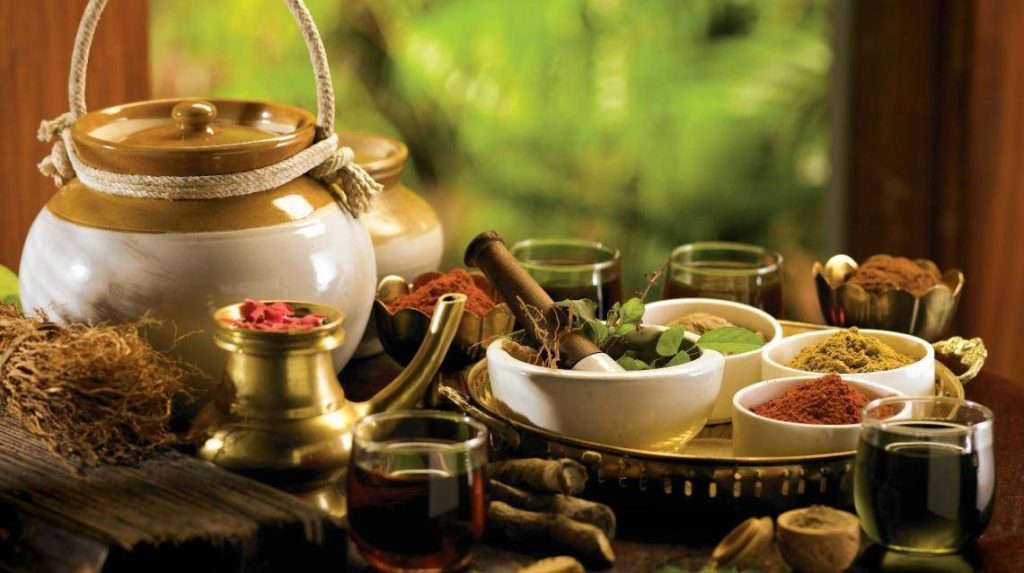
- Herbal Medicine: Use of herbs like ashwagandha, turmeric, and triphala to treat specific conditions and support overall health.
- Panchakarma: A detoxification process involving therapies like massage, herbal steam, and cleansing to eliminate toxins (Ama).
- Yoga and Meditation: Practices to enhance mental clarity, reduce stress, and align the body’s energies.
- Lifestyle Adjustments: Daily routines, sleep hygiene, and stress management techniques tailored to an individual’s needs.
Synergies Between Shamanism and Ayurveda
While Shamanism and Ayurveda come from different traditions, their shared focus on holistic healing creates a powerful synergy. Both systems view health as a state of balance and recognize the spiritual and energetic dimensions of illness. Here’s how they complement each other:
- Holistic Perspective: Both traditions treat the root cause of illness, not just symptoms, addressing physical, emotional, and spiritual imbalances.
- Connection to Nature: Shamanism uses nature as a spiritual ally, while Ayurveda relies on natural remedies and elemental balance, fostering a deep respect for the environment.
- Energy Work: Shamanic practices like energy cleansing align with Ayurvedic concepts of clearing energetic blockages (e.g., through Panchakarma or pranayama).
- Personalized Healing: Both systems tailor treatments to the individual, whether through a shaman’s spiritual diagnosis or an Ayurvedic practitioner’s assessment of dosha imbalances.
- Mind-Body-Spirit Integration: Shamanism’s focus on soul retrieval and spiritual guidance complements Ayurveda’s emphasis on mental clarity and emotional balance through meditation and yoga.
Combining Shamanism and Ayurveda in Treatment

Integrating Shamanism and Ayurveda can create a comprehensive healing approach. For example:
- Diagnosis: A shaman might use divination to identify spiritual causes of illness, while an Ayurvedic practitioner assesses dosha imbalances. Together, they provide a complete picture of the patient’s health.
- Healing Rituals: A shamanic ceremony to clear negative energies could be paired with Ayurvedic Panchakarma to detoxify the body, amplifying the cleansing process.
- Plant-Based Healing: Both systems use herbs, but a shaman might incorporate sacred plants in a ceremonial context, while Ayurveda prescribes them for physical balance.
- Lifestyle and Spiritual Practices: Ayurvedic daily routines (Dinacharya) can be enhanced with shamanic practices like connecting with nature or honoring ancestors, fostering deeper spiritual alignment.
Example Treatment Plan
For someone experiencing chronic stress and fatigue:
- Shamanic Approach:
- Conduct a soul retrieval to address emotional trauma contributing to fatigue.
- Perform an energy cleansing ritual with sage or palo santo to clear stagnant energy.
- Guide a journey to connect with a spirit animal for emotional support.
- Ayurvedic Approach:
- Assess the patient’s dosha (e.g., Vata imbalance causing anxiety and fatigue).
- Prescribe calming herbs like ashwagandha and brahmi to support the nervous system.
- Recommend a Vata-pacifying diet with warm, grounding foods and a daily routine including Abhyanga (oil massage).
- Integrated Practices:
- Combine meditation with shamanic drumming to deepen relaxation and spiritual connection.
- Encourage time in nature to align with both systems’ emphasis on environmental harmony.
Benefits of an Integrated Approach
- Comprehensive Healing: Addresses physical, emotional, and spiritual dimensions for lasting results.
- Personal Empowerment: Encourages individuals to take an active role in their healing through lifestyle changes and spiritual practices.
- Natural and Sustainable: Relies on natural remedies and non-invasive techniques, minimizing side effects.
- Cultural Respect: Honors ancient wisdom while adapting to modern needs, fostering a sense of connection to global healing traditions.
Precautions and Considerations
- Qualified Practitioners: Seek trained shamans and certified Ayurvedic practitioners to ensure safe and effective treatments.
- Cultural Sensitivity: Respect the cultural origins of both practices, avoiding appropriation or misuse.
- Integration with Modern Medicine: Consult healthcare providers to ensure compatibility with conventional treatments, especially for serious conditions.
- Individual Suitability: Not all practices (e.g., intense plant medicine ceremonies or Panchakarma) are suitable for everyone; personalized assessment is key.
Conclusion
Shamanism and Ayurveda offer complementary paths to holistic health, blending spiritual insight with practical, nature-based remedies. By addressing the root causes of imbalance and fostering harmony between body, mind, and spirit, these ancient systems empower individuals to achieve lasting well-being. Whether used separately or together, Shamanism and Ayurveda provide timeless wisdom for navigating the complexities of modern health challenges.
For those interested in exploring these practices, consult reputable practitioners and consider starting with accessible elements like Ayurvedic dietary changes or simple shamanic meditations to experience their transformative potential.
Airport pickup
Welcome briefing and rest
Overnight: Boutique hotel
Visit traditional shaman (Jhankri)
Energy cleansing, ritual drumming
Herbal bath or steam session
Overnight: Kathmandu
Pulse diagnosis by Ayurvedic doctor
Personalized massage (Abhyanga), Shirodhara, or herbal therapy
Overnight: Kathmandu or retreat center
Forest walk with herbal identification
Breathwork and meditation session
Evening herbal steam or oil therapy
Overnight: Retreat center
Final session with healer
Transfer to airport or extend stay
Tour ends